
Choosing flooring for your Dubai home involves more than selecting a colour or pattern. You need a surface suited to your interior style, daily routine, maintenance preferences, and the local climate. From elegant marble to practical vinyl and natural wood, each flooring type offers different benefits for apartments, villas, and townhouses.
Here are six popular flooring options to consider when planning your next home renovation.
1. Porcelain and Ceramic Tile Flooring
Porcelain and ceramic tiles suit homeowners who want a hard surface with straightforward maintenance. Both options come in various colours, textures, and finishes, including designs inspired by natural stone and wood.
Porcelain tiles have a dense structure and low water absorption, making them suitable for kitchens, bathrooms, hallways, and living areas. Ceramic tiles offer a range of decorative styles for different budgets and rooms.
You should consider slip resistance when selecting tiles for bathrooms and other areas exposed to water. A textured finish often provides better grip than a highly polished surface.
2. Engineered Wood Flooring
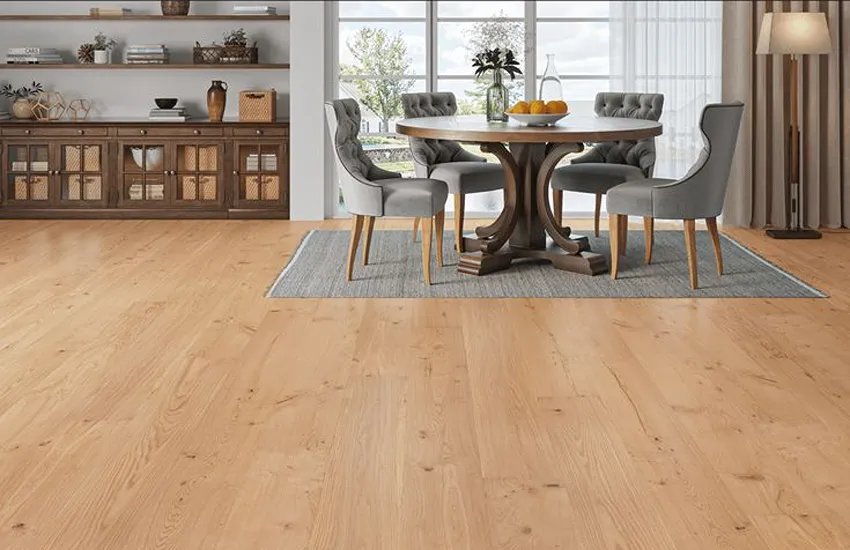
Engineered wood flooring brings the natural appearance and texture of timber into your home. It features a genuine hardwood surface bonded to a layered core, often made from plywood or another engineered wood material. This construction offers greater dimensional stability than solid wood when indoor temperature and humidity levels change.
For Dubai homes, engineered wood suits living rooms, bedrooms, studies, and other dry indoor spaces. Its natural grain creates a warm appearance that works with modern, minimalist, Scandinavian, and traditional interiors. Oak and walnut finishes offer different tones, while plank layouts and herringbone patterns help you achieve distinct looks.
Why Choose Engineered Wood Flooring?
One key advantage is its real wood surface. Unlike laminate, which uses a printed decorative layer, engineered wood features genuine timber on top. Its layered construction also helps reduce the movement associated with changes in humidity.
Maintenance remains important. Sweep or vacuum regularly to remove sand and grit, as these particles scratch the finish. Clean spills promptly and follow the manufacturer’s care instructions. Avoid soaking the floor or using a wet mop.
Before installation, check the subfloor for moisture and uneven areas. Ask your flooring supplier about the wood veneer thickness, finish, installation method, and suitability for your room conditions. Engineered wood is more stable than solid timber, but it is not waterproof and is unsuitable for bathrooms or areas with frequent water exposure.
If you want to add natural wood flooring to your home, explore the available styles and specifications before you buy Engineered wood Flooring in Dubai. Compare wood tones, plank dimensions, surface finishes, and installation requirements to find an option suited to your interior.
3. Vinyl Flooring
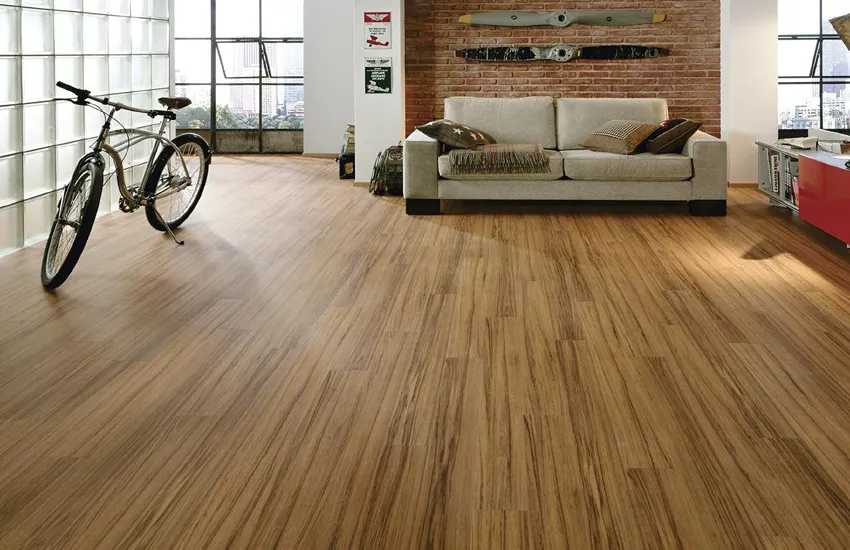
Vinyl flooring offers a practical option for homeowners who want a wood or stone appearance without the upkeep associated with natural materials. It comes in planks, tiles, and sheet formats, with designs ranging from pale oak to darker timber and stone-inspired finishes.
Luxury vinyl tile (LVT) and stone plastic composite (SPC) flooring are two common options. LVT often provides a flexible construction, while SPC uses a rigid composite core. Their performance depends on the product specifications and installation quality.
Vinyl flooring suits bedrooms, living rooms, rental properties, and selected high-use areas. Check the manufacturer’s water-resistance claims, wear layer, temperature limits, and installation requirements before choosing a product.
4. Laminate Flooring
Laminate flooring recreates the appearance of timber through a printed decorative layer protected by a wear surface. It often costs less than genuine wood flooring and comes in a wide selection of colours and patterns.
Its scratch resistance depends on the product’s wear rating and construction. Laminate also offers a consistent finish across large areas, making it suitable for bedrooms, studies, and dry living spaces.
Moisture needs careful attention. Water entering the joints or reaching the core might cause swelling, depending on the product. Choose a suitable specification for your room, wipe spills promptly, and avoid installing standard laminate in areas with frequent water exposure.
5. Natural Stone and Marble Flooring
Natural stone and marble provide distinctive patterns, textures, and colours. Each slab has its own markings, giving floors a unique appearance. These materials suit entryways, formal living rooms, spacious villas, and interiors designed around natural finishes.
Marble often feels cool underfoot, which many Dubai homeowners appreciate. However, it requires suitable care. Some stone surfaces absorb liquids and react to acidic cleaners. Sealing requirements depend on the material and finish.
Before installation, discuss slip resistance, surface treatment, cleaning products, and ongoing maintenance with your supplier. Natural stone also needs a properly prepared base and professional installation for a consistent result.
6. Carpet Flooring
Carpet adds softness and helps reduce footstep noise. It suits bedrooms, dressing rooms, family areas, and home cinemas where comfort matters more than a hard surface.
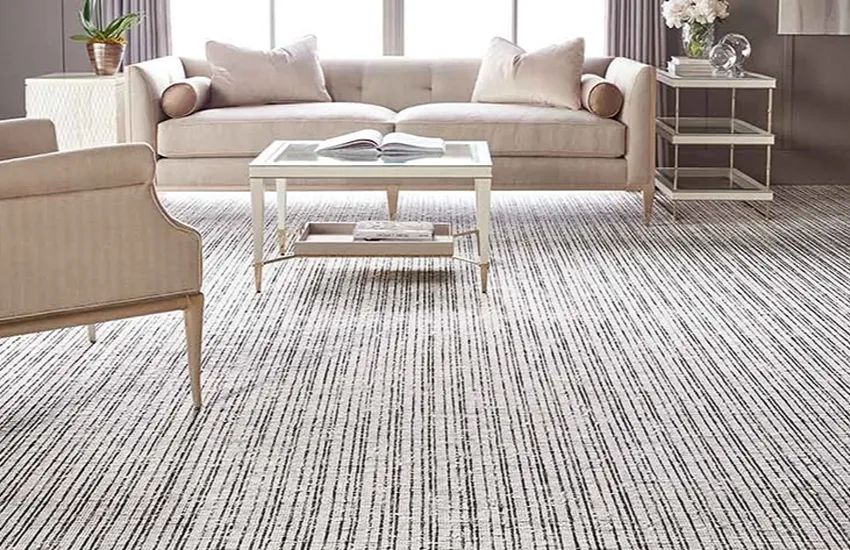
You will find options in different pile heights, colours, patterns, and fibre types. A low-pile carpet is often easier to clean than a deep-pile style, especially in busy rooms. Underlay also affects comfort, insulation, and the feel of the finished floor.
Dubai households should consider dust and sand when choosing carpet. Regular vacuuming helps remove particles before they settle deep into the fibres. Select a material and pile suited to your household, cleaning routine, and expected foot traffic.
How to Choose the Right Flooring for Your Home
Start by considering the room and how you use it. Kitchens and bathrooms need flooring suited to moisture, while bedrooms often benefit from warmer surfaces. Living rooms require a balance between appearance, comfort, and durability.
Next, compare the maintenance requirements and installation conditions. Check how each material responds to moisture, sunlight, furniture movement, and daily wear. Ask for samples and view them under your home’s lighting before making a final decision.
Your budget should include more than the flooring material. Account for subfloor preparation, installation, underlay or adhesives, skirting, and removal of existing floors where required.
The right flooring brings together appearance, practical performance, and manageable upkeep. By comparing these six options against your home’s needs, you will make a more informed choice for your Dubai property.


